Process / November 2023 / 2 min read
From sketch to spatial twin — our digital workflow
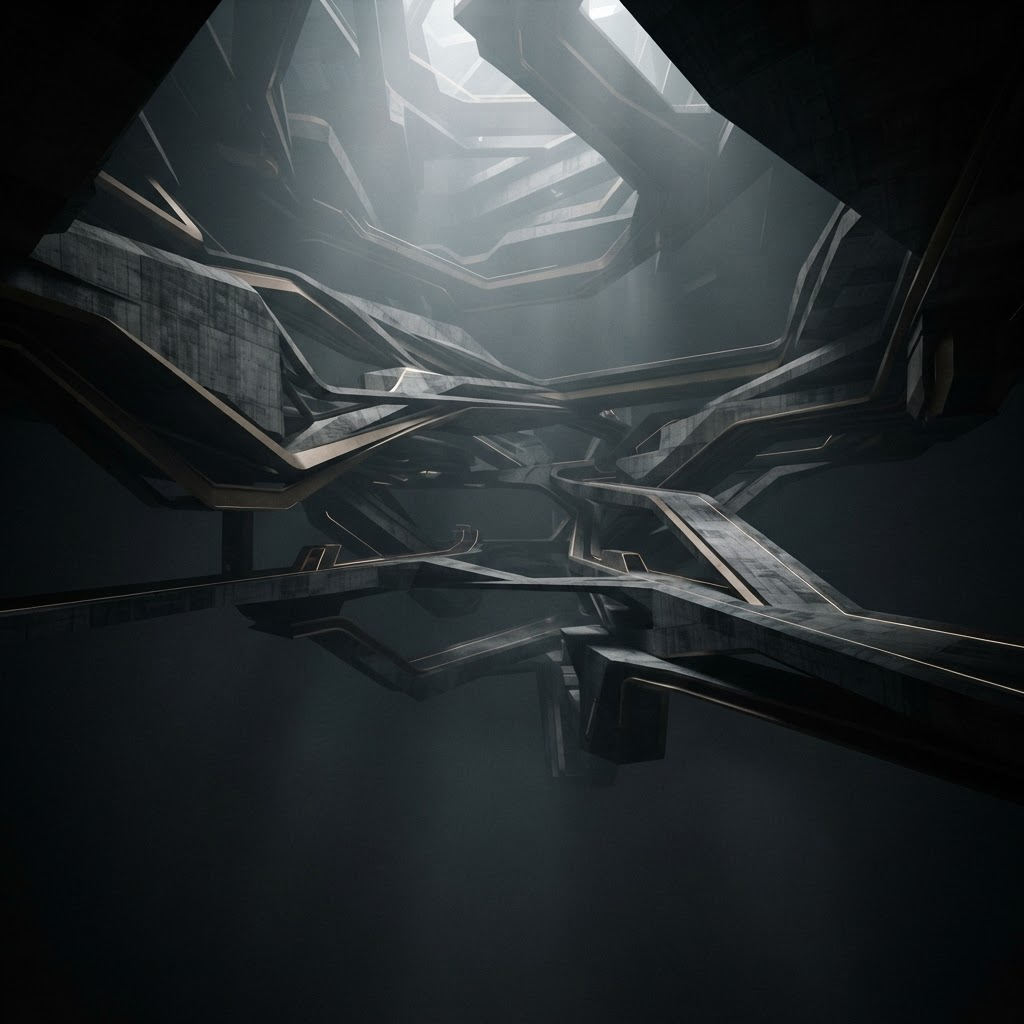
The most useful model is the one that helps answer the next design question. Detail is valuable when it makes a decision clearer.
Begin with the question
A sketch is fast enough to keep pace with an idea. It can describe a route through a building, the relationship between two rooms or a patch of sunlight without committing to every dimension. At this stage, leaving something unresolved can be useful: it keeps the conversation open.
Give the idea scale
A spatial model allows those early relationships to be tested from within. Moving through it can reveal a compressed threshold, an awkward sightline or a room that feels different from its plan. The point is not simply to make a convincing image, but to use the model to ask better questions about the experience.
Keep the model accountable
As a design develops, a model can bring geometry, materials and project information together. A digital twin goes further when it is connected to information about a real building. That distinction matters: a visualisation is a proposal, not proof of how a completed space performs. Each stage should make clear what is known and what is still being explored.