Essay / January 2024 / 2 min read
Designing silence: acoustics as architecture
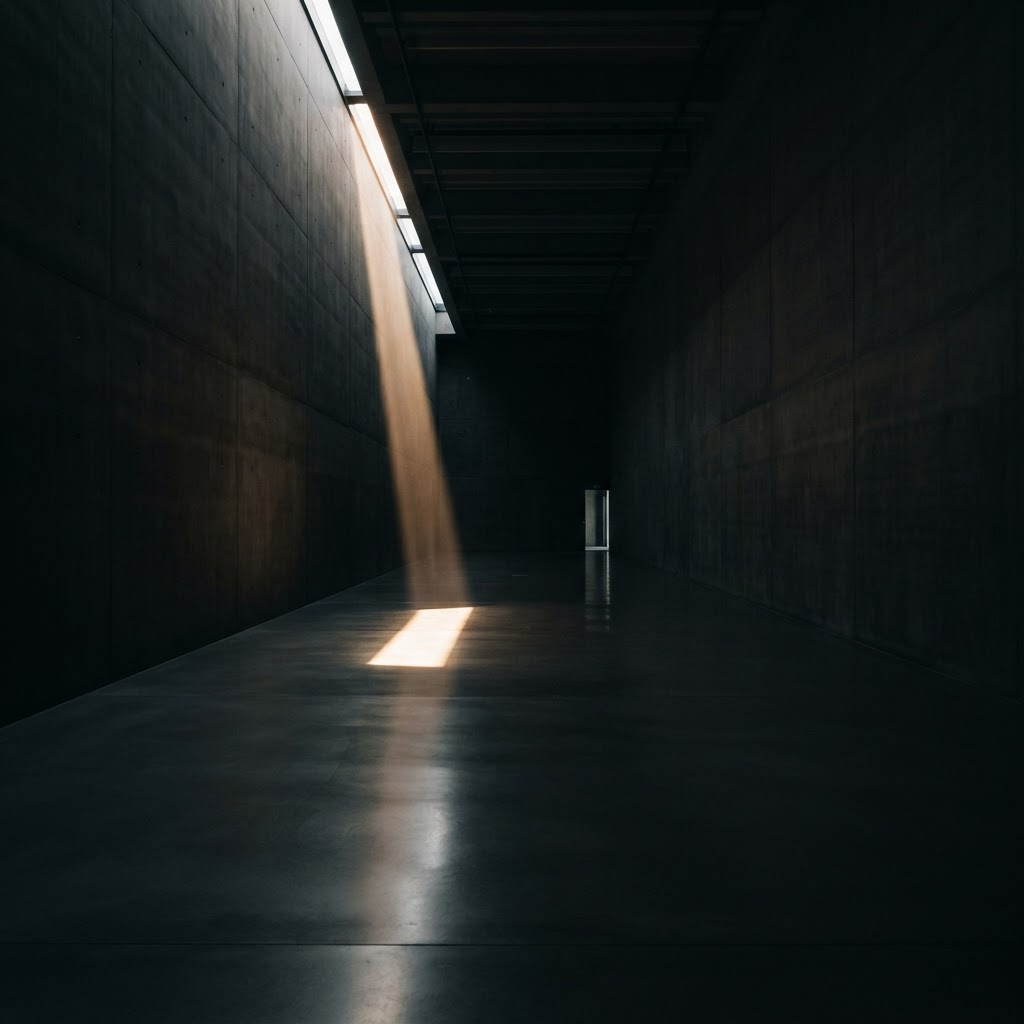
We often describe a room by how it looks. Its sound is just as immediate, and just as capable of changing how we feel inside it.
Listen to the room
A footstep, a conversation and the closing of a door all tell us something about a space. Hard surfaces can carry those sounds far beyond their source. Softer materials, changes in geometry and the arrangement of furniture can alter that experience. Acoustics belongs in the earliest questions about a room, alongside light and circulation.
A useful kind of quiet
Silence is not always the absence of sound. In a home it might mean a place to speak without raising your voice. In a gallery it might mean enough separation for visitors to linger without feeling exposed. The aim is to decide which sounds belong and which ones interrupt the intended use of a space.
Make it part of the architecture
A curtain can soften both light and sound. A timber lining can bring warmth while concealing an acoustic treatment. These choices work best when they are considered together. Detailed acoustic performance still needs to be tested for the particular room; the architectural task is to give that work a place from the beginning.